
“Oh, my gosh,” I think to myself. “I have to get this poor woman to settle down. What in the world happened to her that she is on the verge of tears, almost ready to pass out?”
This is unfortunately a more common occurrence than you think. A new shooter gets in the box, excited to either try a new hobby sport or maybe prep for a corporate outing or even a hunt. The moment she picks the gun up, her muscles start quivering, her eyes become almost frantic and often, the color in her face will flush as she fights through impending tears. She had no idea the scars were so deep. It’s been years since she last pulled the trigger on a shotgun.
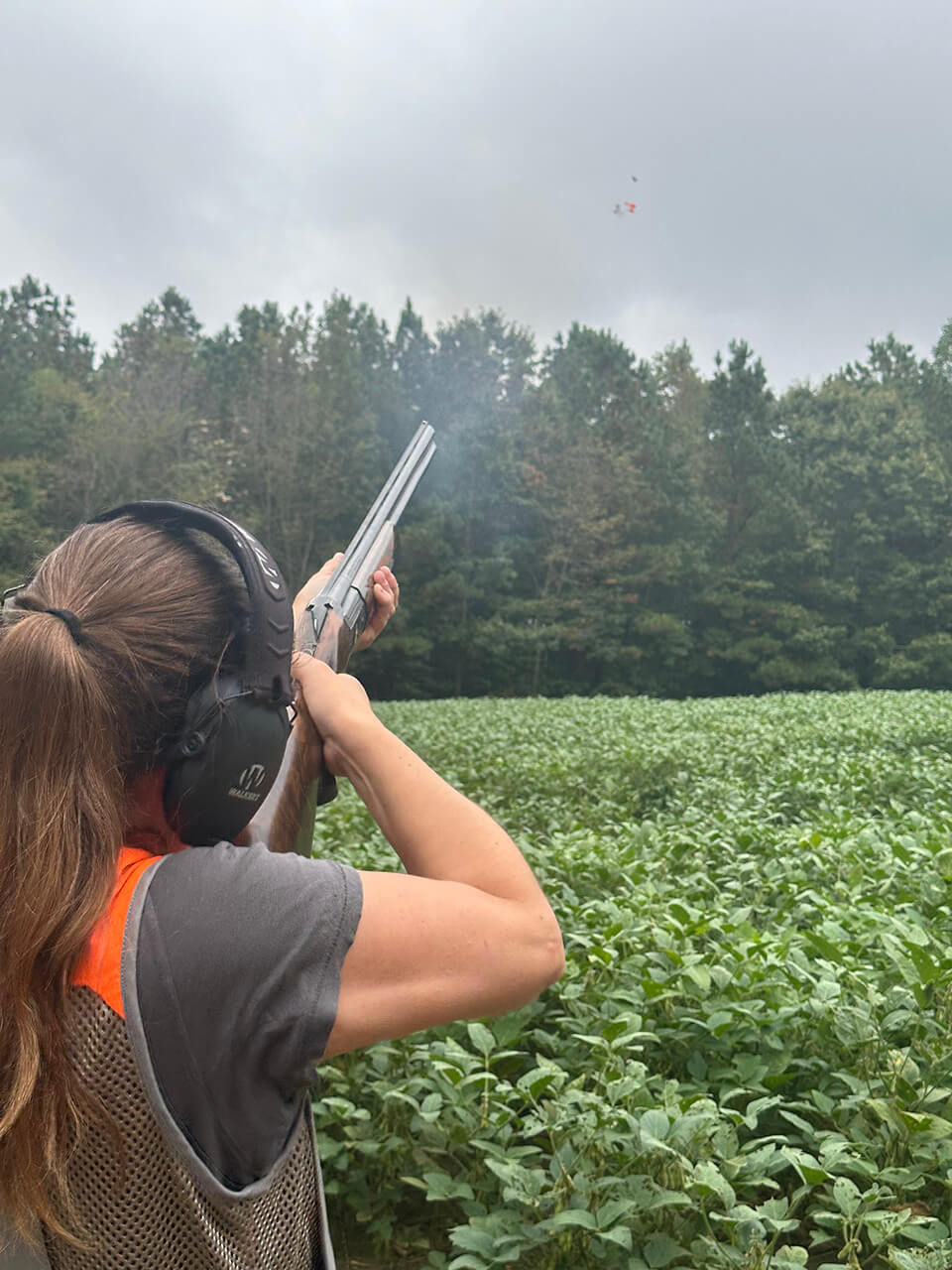
Someone somewhere has caused an almost irreversible scar for this person. A scar that digs so deep, she can’t even think straight, much less take instruction. A scar that is pretty much causing a full-body paralysis once the shotgun is mounted to her shoulder. Warning, this is one of my soap box topics and with good reason.
Hire an Instructor, Not a Coach
As with everything in life, you get what you pay for, and a quality shooting instructor is no different. You don’t need to hire the most expensive girl/guy out there, but it should be someone who values his craft.
You want someone that understands the more in-depth methodologies, proper gun fit, fundamentals of your chosen game and can create a curriculum designed specifically to you and your learning styles. Typically, a team coach has a few hours of safety instruction, which is fabulous ( but not ideal), for full-fledged private instruction. The buddy who likes to shoot may be able to impart a bit of knowledge, but again, not ideal.
The Story of a Shotgun Scarred Shooter
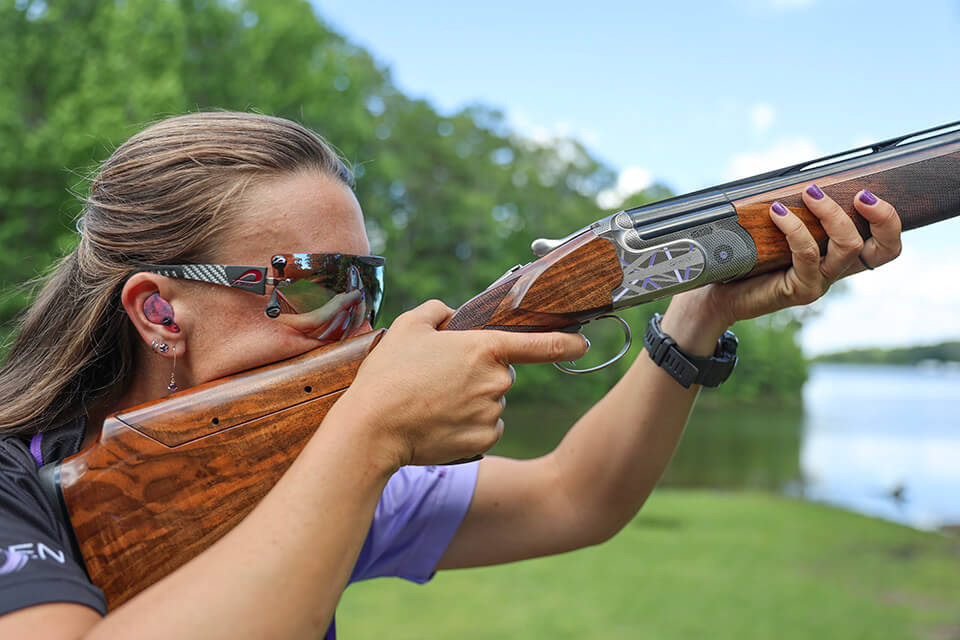
Back to the poor woman in the box about to have a meltdown. She, like so many that have stood in front of me in the shooter’s box, was on the receiving end of a “helpful coach” – her husband’s buddy. This guy coached a trap team and offered to teach her. Meaning full well and with no malice, he gave her a gun that was too light, thinking she couldn’t hold up a regular sporting gun. This gun didn’t fit and the shells she was handed promised to leave a lasting reminder of her experience on the 16-yard line.
What to Ask a Potential Candidate Who Wants to Be Your Instructor
When you decide to hire an instructor, you need to conduct an interview first, and ask these questions:
- Find out what they specialize in and if that matches with your goals. Do you want to bird hunt? Then, don’t hire a skeet instructor. They don’t know how to relay the fundamentals of safety and shooting over dogs and what it takes to be successful in the field. They are great if you want to learn skeet. Wing-shooting lessons and clay lessons center on similar content, but the application is markedly different for each of them. In other words, find the instructor that is competent in your new endeavor.
- Ask them what types of school guns they offer. The reason I only offer Syren, Caesar Guerini and Fabarm in my school is because I want my students to shoot the best, have a great time and be successful. If the instructor insists you must shoot a larger gauge for success or waves off your concerns about recoil, then keep looking for an instructor.
- Your instructor should be able to answer any question about the type and gauge you will be using; recoil issues related to the gun or shells and most importantly, know how to best connect you to success. Anything less and you risk gaining a shotgun scar.
Gun Fit for the Win
Syren has invested countless hours and dollars into designing shotguns for women. Are there some guys out there rocking the purple? Totally! And I absolutely love that they do because they proudly shoot a gun that fits them. Why does it fit a guy? Well, he is probably smaller in stature and requires a shorter length-of-pull (LOP), or maybe he has a barrel chest and needs more pitch.
Ladies, we have curves. No longer do we need to try and cram a square peg into our rounded shoulders! If you have ever had the displeasure of shouldering a gun with a sharp toe into the pocket of your shoulder, those last few words punch home, literally.
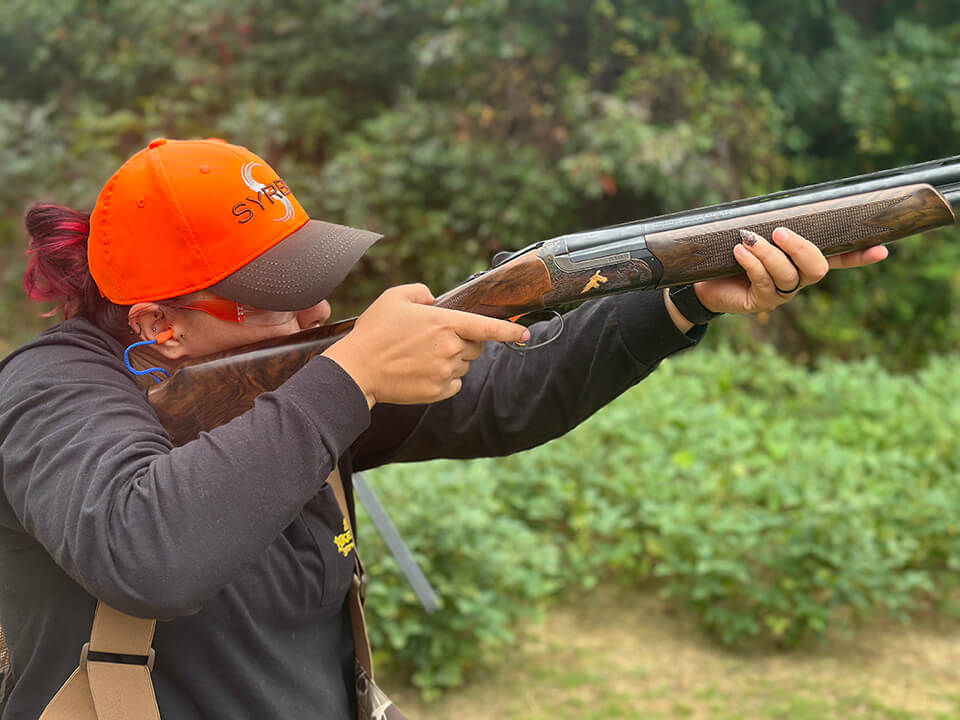
Let’s look closer at why gun fit is so important. The LOP is one of the very first items to check off on the gun-fit list. If the gun is too long, it will generate more felt recoil as the shooter isn’t able to keep her cheek securely in the correct position on the stock. It will also be difficult to keep the gun positioned in the pocket. If the gun is too short, a shooter will pop themselves in the nose with the back of her hand as well as experience more felt recoil.
How do you measure LOP to insure a good fit? By mounting the gun into the “pocket” of the shoulder. Depending on your selection that day, it’s usually just inside your bra strap. Placing the buttstock outside the pocket spells a semi-permanent stamp of a poorly fitted gun or poorly placed stock. That “stamp” is a visible shotgun scar. It will dissipate with time, but the memory of the thump will live on, creating a flinch in the shooter the next time she steps into the shooter’s box.
I’ve watched well-meaning coaches/instructors ask a student to put the buttstock of the gun into the crook of an elbow and while holding the gun straight up in the air, see if the trigger finger can reach the trigger. You know what that does? Proves you have a gun, arm and finger. It does NOT give you a semblance of proper LOP. That measurement is derived from the distance between your cheek and shoulder. Ladies tend to have longer necks than men, but we have smaller hands, more narrow shoulders and less outer chest wall muscling to physically support holding a heavy gun. If someone tries to take your LOP by having you put the gun in your elbow crease, walk away. You are going to get a gun that is incredibly short and it will greatly affect your ability to create the proper sight picture and will also create more felt recoil.
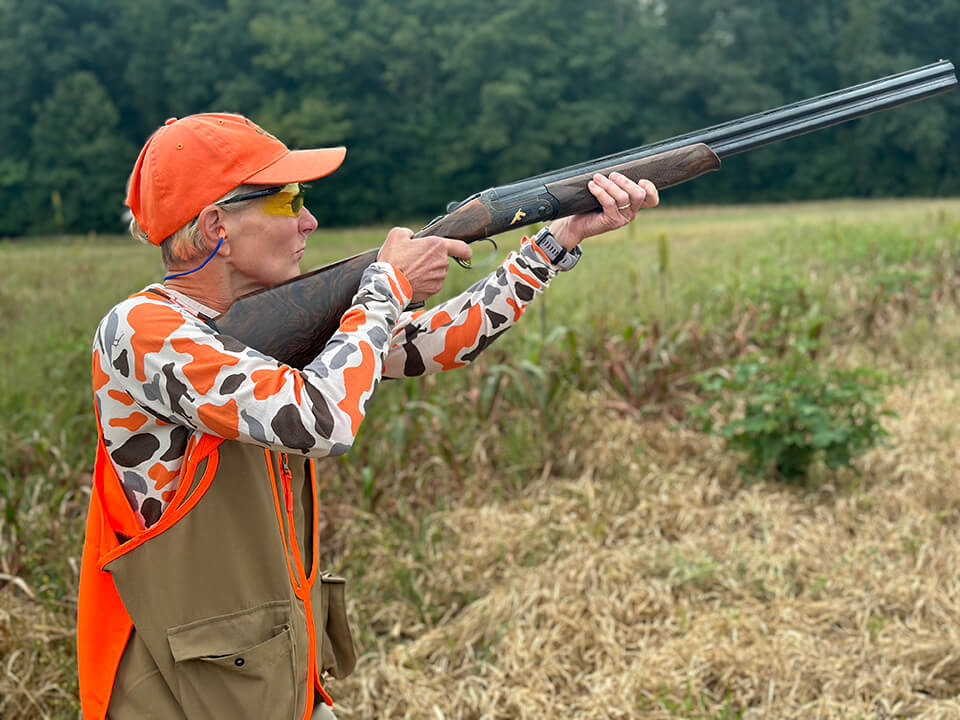
Pitch is the turn of the toe (bottom portion of the buttstock) and how it mounts to your shoulder pocket. Syrens are produced with 7 degrees of pitch to allow for a clean mount to the pocket. This extra few degrees is why those barrel-chested gentlemen love the fit of a Syren. It turns the toe more toward the armpit, so it doesn’t dig into the chest wall. Often, if the pitch is wrong, a shooter will cant the gun to get it into a more comfy location, which means a shooter’s eye is no longer aligned perfectly with the barrel rib. A shooter will have difficulty only seeing the target and shoot to the side of the target. If you have used a gun that was short on pitch, you know exactly what I’m talking about. This is an example of yet another shotgun scar that can easily be avoided.
Shell Loads
Not all shells are created equally. There are a couple of brands that I won’t let new shooters use in a lesson because the manufacturer likes to make hot, fast loads despite the markings on the shell box.
When selecting a shell, stick with the major manufacturers and do a little research. For the clay course, if you’re just starting out, grab a shell that is manufactured for clays and is the lightest load your gun will cycle. The Syren L4S can and will cycle 7/8 ounce, 12-gauge shells, which is basically a 20-gauge load in a 12-gauge body – making for a lovely, low recoil shell.
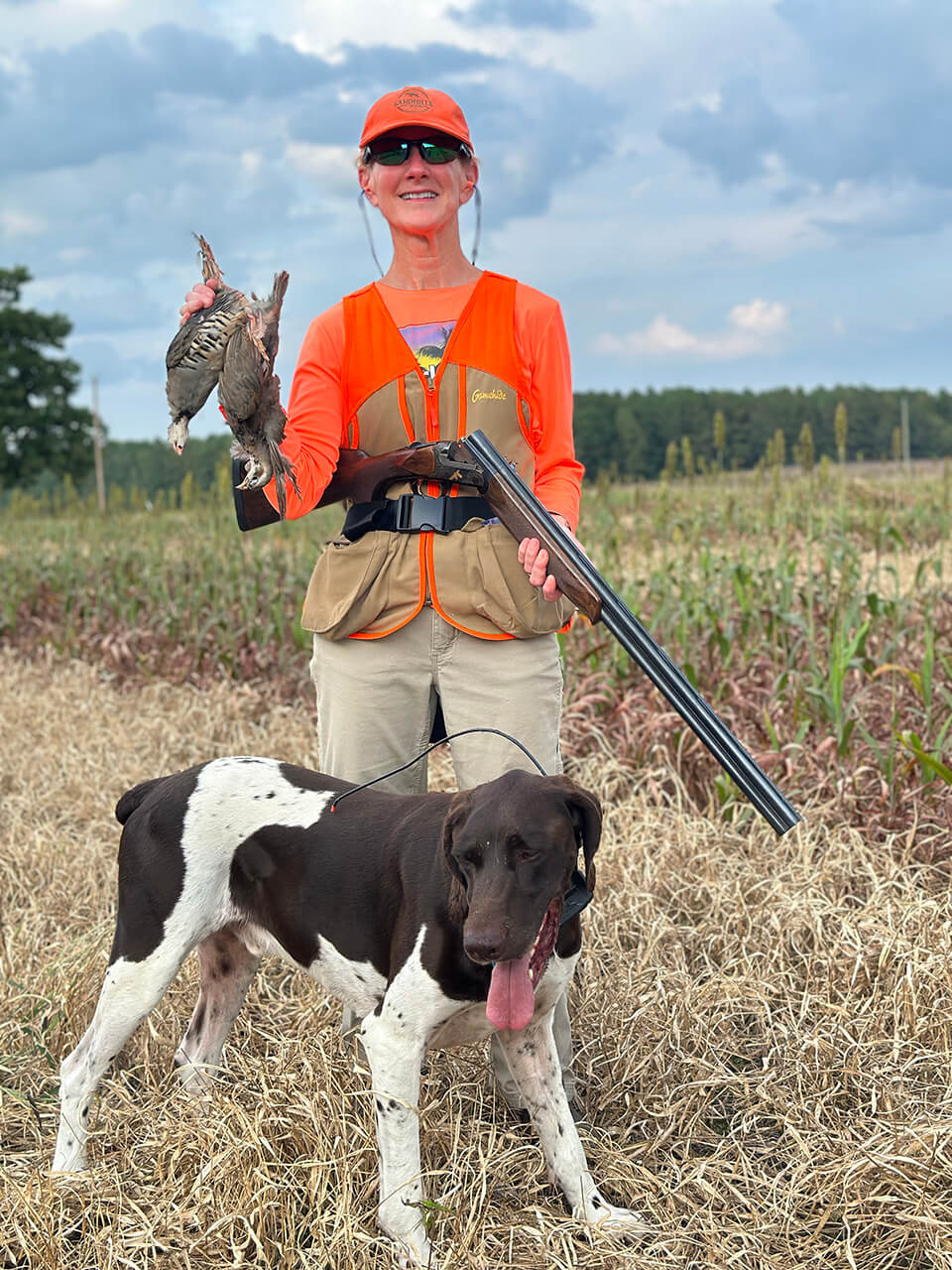
Unfortunately, there are certain individuals that think it’s fun to have a new shooter run buckshot or heavy waterfowl loads at a couple targets. This can create a terrible and lasting shotgun scar and one that I will struggle to move a student past. That two minutes behind the barrel with those ugly loads can cause a hyperreactive response when a shooter gets back in the box with a shotgun. It’s heart-breaking every time I see it and all I can do is try to softly tell them it’s OK, this isn’t that time, and they can trust me and the Syren in their hands.
Sporting Versus Field
Perhaps you’ve seen the gorgeous new girl on the block, Grayce? She is stunning and an absolute beast on the clays field. We now have our very own Invictus, the million-round gun! Grayce is a true work of art, blending phenomenal function with stunning form. I would never pick her up to head into the quail field, though.
She comes in at just over eight pounds. I’m a big strapping chick, but even I couldn’t bear the thought of lugging that weight through the pines and fields. My go-to would be one of the field models, like sweet Julia. Those guns are built for the hunt field and anywhere from two-to-three pounds less than Grayce. That’s significant!

Why is Grayce so much heavier? It has to do with the energy transfer through the mass of the wood. The sporting guns are always heavier so they can help to mitigate recoil. I tell students it’s because you walk them less but shoot them more. They ride around on the golf cart or gun buggy, so the weight isn’t constantly pulling on your arms. Field guns are walked more and shot less. The constant weight is an issue for a field gun if it’s too heavy. You tend to only shoot a handful of times in the hunt field unless you’re privy to a driven hunt or just go crazy loading the field at a preserve with pen-raised birds.
It’s a tough conversation to have with new students when they proudly produce those youth models, often field guns their beloveds purchased for them for their lessons. Those guns are great for kids heading to the hunt field – not for a grown woman headed to the clays course to shoot a full round or even more. This is why it’s so important to research and understand the shotgun in your hands.
Think about how you will use your new Syren and make the selection on your personal goals and objectives. Still have questions? Syren USA headquarters in Maryland is only a call or email away and dealers are located all across the country. The best way to make your decision is find a demo day near you and take the girls for a spin! Already have your new, best friend for the field or course? Great! Consider bringing her into headquarters for a free gun fit or catch us at the next demo event.
Enjoying this post? Read more just like it on our Syren Savvy Blog HERE.
*This article was originally posted in our column on WomensOutdoorNews.com written by Kate Ahnstrom and edited by WON Publisher/Editor Barbara Baird.




 Sign up to get interesting updates and news sent to your inbox.